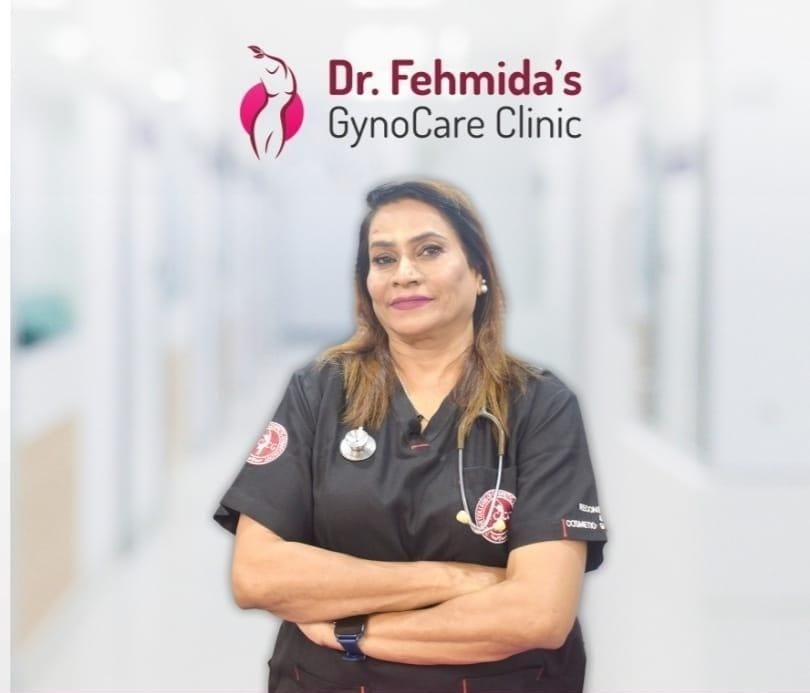
Fehmida Hospital & Fertility Centre
Diseases & Conditions
Common gynaecological, fertility and pregnancy conditions we diagnose and treat.
Uterine Fibroids
Non-cancerous growths of the uterine muscle — very common, and often treatable without removing the uterus.
Read more →Ovarian Cysts
Fluid-filled sacs on the ovary. Most are harmless and resolve on their own; some need treatment.
Read more →Endometriosis & Adenomyosis
Conditions where tissue similar to the uterine lining grows outside the uterus (endometriosis) or into its muscle wall (adenomyosis).
Read more →PCOS (Polycystic Ovary Syndrome)
A common hormonal condition affecting periods, ovulation, skin, hair and metabolism.
Read more →Abnormal Uterine Bleeding
Periods that are too heavy, too frequent, too long, or bleeding between periods or after menopause.
Read more →Ectopic Pregnancy
A pregnancy that implants outside the uterus, most often in a fallopian tube. It needs urgent care.
Read more →Blocked Fallopian Tubes
A blockage that stops the egg and sperm from meeting — a common cause of female infertility.
Read more →Recurrent Pregnancy Loss
Two or more pregnancy losses. With evaluation, a cause can often be found and treated.
Read more →Diseases & Conditions: FAQs
Clear, compassionate answers to the questions patients ask Dr. Fehmida Shaikh most often.
Do all fibroids need surgery?
No. Small fibroids that cause no symptoms are usually just monitored with periodic ultrasound.
Are ovarian cysts cancerous?
The vast majority are not. Ultrasound features and, if needed, blood tests help decide whether further evaluation is required.
Is period pain normal?
Mild cramps are common, but pain that stops you from working or studying should be evaluated.
Can I get pregnant with PCOS?
Yes. Many women with PCOS conceive, often with help from ovulation induction.
Is bleeding after menopause serious?
It always needs evaluation, even if it is only spotting.
Can I have a normal pregnancy after an ectopic?
Yes, most women go on to have a normal pregnancy. An early scan is advised next time.
Can blocked tubes be opened?
Depending on where and how the tube is blocked, laparoscopic repair or recanalization may be possible.
Is it my fault?
No. Most miscarriages are due to factors outside anyone's control.