Women's Health
Menopause Management
A dedicated menopause clinic for evaluating and managing perimenopausal and menopausal symptoms.
Overview
Perimenopause and menopause bring a wide range of physical and hormonal changes. Fehmida Hospital & Fertility Centre runs a dedicated menopause clinic to give these changes the unhurried attention they need.
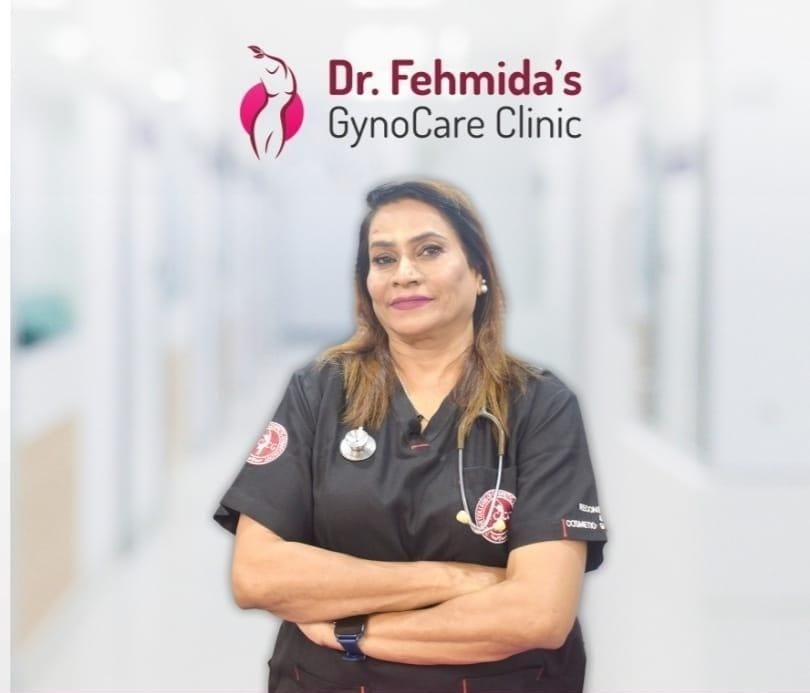
Dr. Fehmida Shaikh evaluates your symptoms and hormonal health, then builds a management plan around what matters most to you — whether that's specific symptoms, long-term bone and heart health, or general well-woman monitoring.
What's included
- Menopause symptom evaluation
- Hormonal health assessment
- Personalised symptom management plan
- Ongoing well-woman monitoring
CARE TYPE
Women's Health
Consult with
Dr. Fehmida Shaikh
Availability
Mon–Sat, by appointment
Who it's for
Women experiencing perimenopausal or menopausal symptoms.
Frequently Asked Questions
Clear, compassionate answers to the questions patients ask Dr. Fehmida Shaikh most often.
What are the three stages of the menopausal transition?
The three stages are: Perimenopause (the transition phase when hormones fluctuate and periods become irregular), Menopause (confirmed after 12 consecutive months without a period, typically around age 45–55), and Postmenopause (the years following menopause).
How can severe hot flashes, night sweats, and sleep disturbances be treated?
Management includes lifestyle cooling strategies, evening primrose and nutritional supplements, non-hormonal prescription therapies, and carefully evaluated Hormone Replacement Therapy (HRT) after assessing cardiovascular and breast health.
How does menopause affect bone density and fracture risk?
The rapid drop in oestrogen during menopause accelerates calcium loss from bones, increasing the risk of osteopenia and osteoporosis. Dr. Shaikh recommends baseline DEXA bone density screening, calcium/vitamin D3 supplementation, and bone-strengthening exercises.
What options exist for postmenopausal vaginal dryness and discomfort?
Topical, low-dose vaginal oestrogen creams, hydrating hyaluronic acid moisturizers, and lubricants provide effective local symptom relief with minimal systemic absorption, restoring comfort and intimate wellness.
Why is postmenopausal bleeding considered an urgent symptom?
Any vaginal bleeding or brown spotting occurring more than a year after menopause is abnormal and warrants immediate ultrasound imaging and endometrial evaluation to rule out polyps, hyperplasia, or uterine malignancies.